


Description
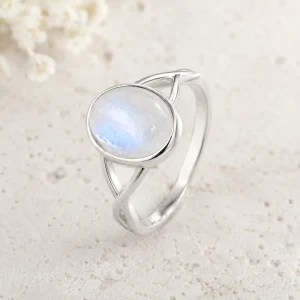
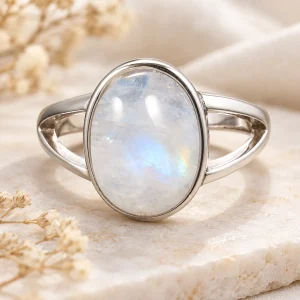
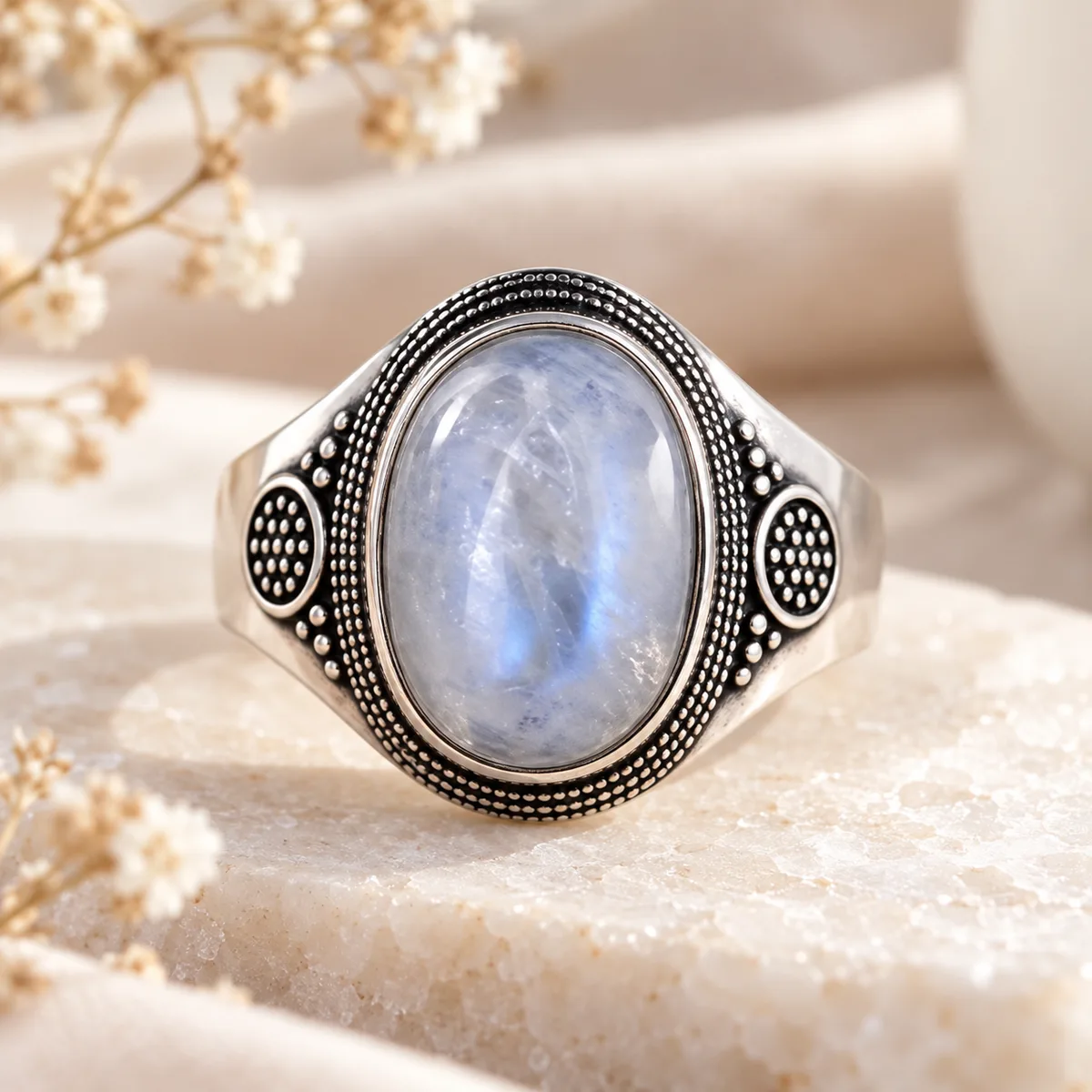
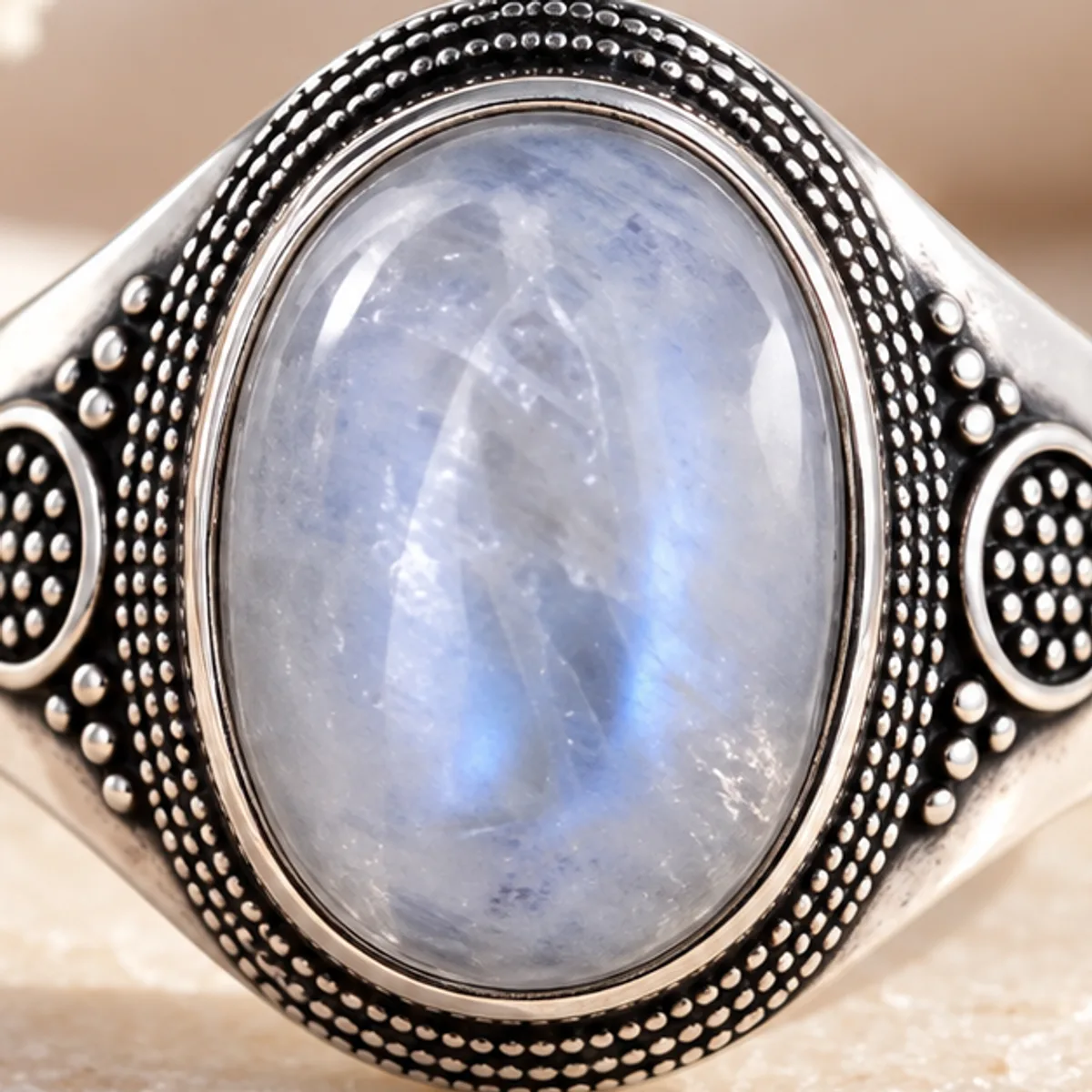
An oval signet ring whose shoulders carry a row of domed discs, each one chased by hand so that it stands proud of the surface rather than being cut into it.
Relief that stands up
There are two ways to put a pattern on metal, and they age in opposite directions. A recessed pattern is cut down into the surface: it is protected, because the surrounding metal is higher than it is, and it survives almost untouched. A raised pattern stands above the surface: it catches the light much better, and it is the first thing to wear. These discs are raised, and that is a deliberate choice with a cost.
The gain is visibility. A domed disc has a curved top that reflects light from a different angle than the flat band around it, so the shoulders sparkle as the hand moves, while a recessed pattern in the same place would only show as shadow. On a ring worn on the index or the middle finger, where it is seen at arm’s length by other people rather than up close by you, raised relief is the only kind that reads.
The cost is that in twenty years the tops of these discs will be flatter than they are today, especially on the side that faces the neighbouring finger. I could avoid that by making them lower, and then they would not catch light. I could avoid it by recessing them, and then they would not be seen. There is no version of this design that is both bright and unchanging, and I would rather say so than let you find out.
The stone sits in a closed bezel, flush with the shoulders so nothing catches, and the band is wide, so take a quarter size up compared to a thin ring. The blue veil is what the discs are framing, and the two work together: metal that flashes, stone that glows. The other rings are here.
- Oval moonstone cabochon, closed bezel, set flush with the shoulders.
- 925 sterling silver hallmarked S925, wide band, domed discs chased by hand.
- Raised relief: it catches light, and it will soften over the years.
- UK sizes I 1/2 to T 1/2, that is 48 to 62 mm. Delivered in two weeks.
The specifications
- Stone
- Real moonstone (adularia), oval cabochon
- Origin
- India
- Metal
- 925 sterling silver, S925 hallmark
- Setting
- Closed bezel, set flush, no glue
- Shape
- Oval signet ring, wide band
- Decoration
- Row of domed discs chased on the shoulders
- Finish
- Oxidized silver, crests rubbed back with a cloth
- Sizes
- UK I 1/2 to T 1/2 (48 to 62 mm)
- Gender
- Women
- Brand
- Melissa Moon
Which side of a ring wears first
Not the top, which is what people expect. The underside goes first, from the palm, and then the side that faces the middle of the hand, from the neighbouring finger. The outer side, the one pointing away from the other fingers, stays crisp for decades. If you look at an old ring that has been worn daily, you can usually tell which hand it was on just from which side is smooth.
There is one practical thing you can do about it, and it costs nothing: swap hands occasionally. A ring worn on the right for ten years and the left for ten wears evenly and looks better at forty years than one that spent its whole life on the same finger. It is the only maintenance advice I give that is about habit rather than about cleaning.
Wear is not damage. A ring with soft discs and a bright stone has been somewhere, and I find that far better looking than one that stayed in a box.
No salt, no ultrasonic tank, no hot water: moonstone is a feldspar, and all three damage it for good. No silver dip either, it strips the oxidation from around the discs and the relief goes flat. Lukewarm water, a soft cloth on the disc tops, a dry brush around their bases. The detail is in cleaning a moonstone piece, and the safe methods in caring for it without harming it. Flush set, the stone is well protected, which is what makes this a daily ring.