Moonstone necklaces
From choker to opera length, in 925 sterling silver or gold plate. This is the family where the stone sits closest to the face, so the one where its sheen shows best, and the one where length decides everything.
Showing all 26 results
-
-20 %

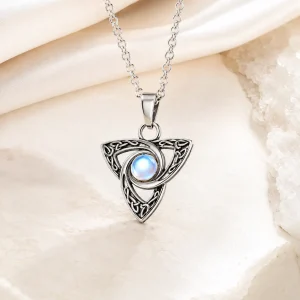
Black moonstone necklace
Original price was: 67,90 €.53,90 €Current price is: 53,90 €. Choose options -
-20 %
Blue moonstone necklace
Original price was: 34,90 €.27,90 €Current price is: 27,90 €. Choose options -
-20 %
Gold moonstone necklace
Original price was: 54,90 €.43,90 €Current price is: 43,90 €. Choose options -
-20 %
Iridescent moonstone teardrop necklace
Original price was: 51,90 €.40,90 €Current price is: 40,90 €. Choose options -
-20 %
Men’s moonstone necklace
Original price was: 32,90 €.25,90 €Current price is: 25,90 €. Choose options -
-20 %
Moonstone choker necklace
Original price was: 37,90 €.29,90 €Current price is: 29,90 €. Choose options -
-20 %
Moonstone circle necklace with zircons
Original price was: 30,90 €.23,90 €Current price is: 23,90 €. Choose options -
-20 %
Moonstone necklace, black cat
Original price was: 37,90 €.29,90 €Current price is: 29,90 €. Choose options -
-20 %
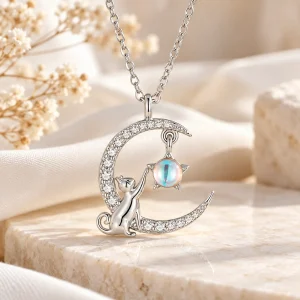
Moonstone necklace, cat on the moon
Original price was: 64,90 €.51,90 €Current price is: 51,90 €. Choose options -
-20 %
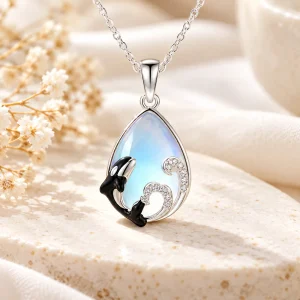
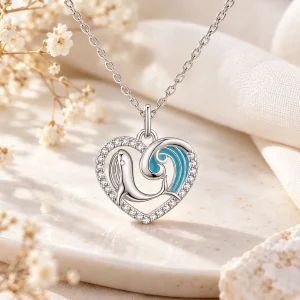
Moonstone necklace, dolphin and wave
Original price was: 37,90 €.29,90 €Current price is: 29,90 €. Choose options -
-20 %
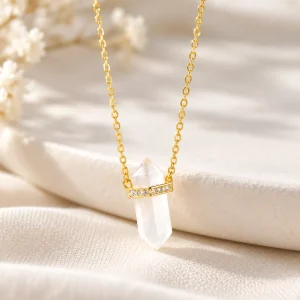
Moonstone necklace, hexagonal point
Original price was: 87,90 €.69,90 €Current price is: 69,90 €. Choose options -
-20 %
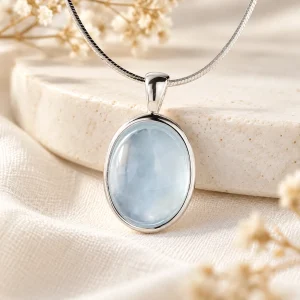
Moonstone necklace, large oval cabochon
Original price was: 42,90 €.33,90 €Current price is: 33,90 €. Choose options -
-20 %
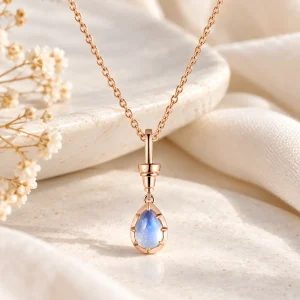
Moonstone necklace, rose gold vermeil drop
Original price was: 113,90 €.90,90 €Current price is: 90,90 €. Choose options -
-20 %
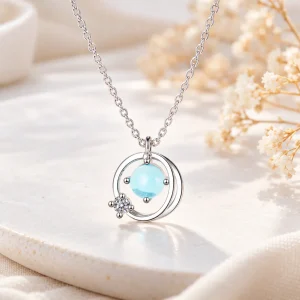
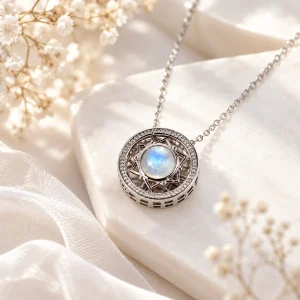
Moonstone necklace, round halo pendant
Original price was: 34,90 €.27,90 €Current price is: 27,90 €. Choose options -
-20 %
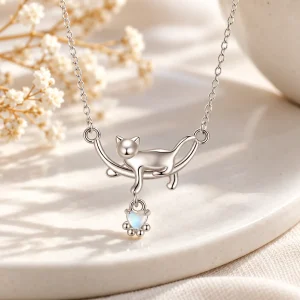
Moonstone necklace, stretching cat
Original price was: 64,90 €.51,90 €Current price is: 51,90 €. Choose options -
-20 %
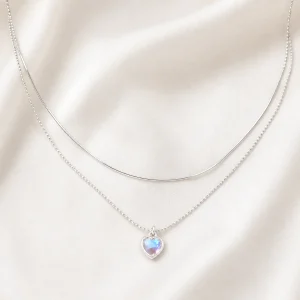
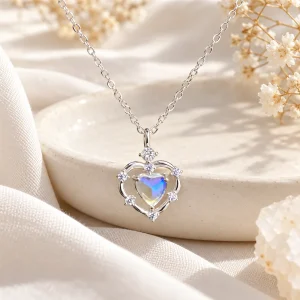
Moonstone necklace, zircon heart
Original price was: 36,90 €.28,90 €Current price is: 28,90 €. Choose options -
-20 %
Moonstone octopus necklace
Original price was: 37,90 €.29,90 €Current price is: 29,90 €. Choose options -
-20 %
Moonstone pregnancy necklace
Original price was: 44,90 €.35,90 €Current price is: 35,90 €. Choose options -
-20 %
Moonstone rope necklace, beads and gold balls
Original price was: 75,90 €.59,90 €Current price is: 59,90 €. Choose options -
-20 %
Moonstone teardrop necklace
Original price was: 37,90 €.29,90 €Current price is: 29,90 €. Choose options -
-20 %
Moonstone teardrop necklace, scroll frame
Original price was: 42,90 €.33,90 €Current price is: 33,90 €. Choose options -
-20 %
Pearl and moonstone necklace
Original price was: 37,90 €.29,90 €Current price is: 29,90 €. Choose options -
-20 %
Rainbow moonstone necklace
Original price was: 52,90 €.41,90 €Current price is: 41,90 €. Choose options -
-20 %
Real moonstone necklace
Original price was: 42,90 €.33,90 €Current price is: 33,90 €. Choose options -
-20 %
Sterling silver moonstone necklace
Original price was: 42,90 €.33,90 €Current price is: 33,90 €. Choose options -
-20 %
White moonstone necklace
Original price was: 37,90 €.29,90 €Current price is: 29,90 €. Choose options
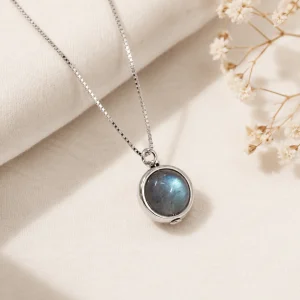
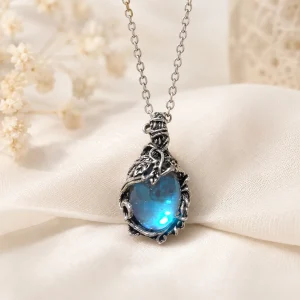
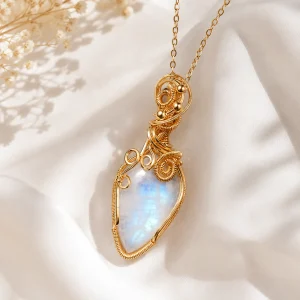
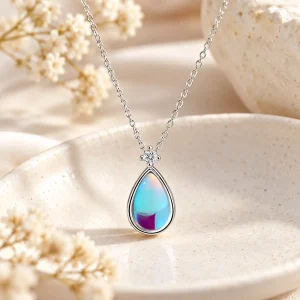
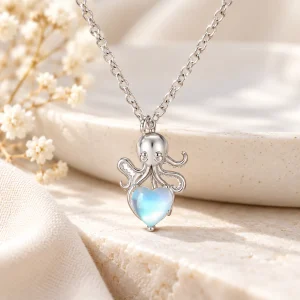
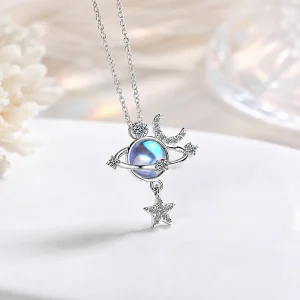
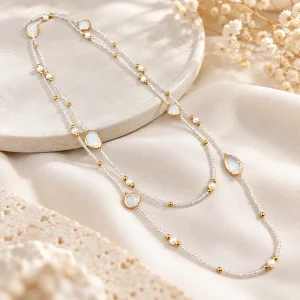
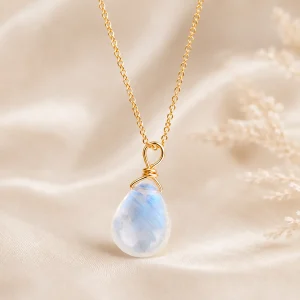
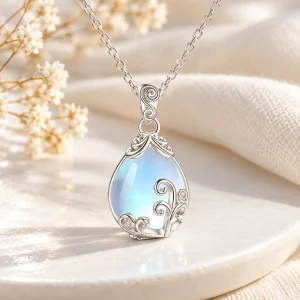
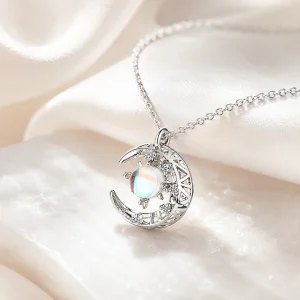
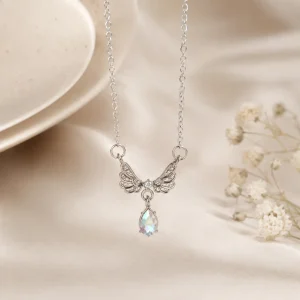
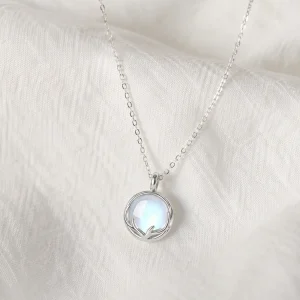
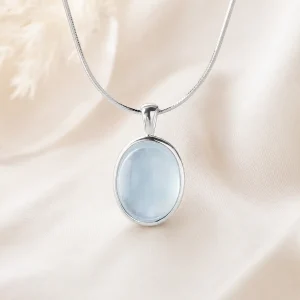
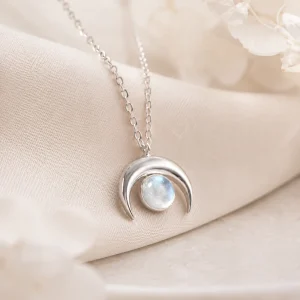
A necklace and a pendant are not the same thing
The confusion is common and it wastes time, so best clear it up at once. It comes down to one sentence: a necklace includes its chain, a pendant is sold on its own.
Both families share the same symbolism and the same use, and I have gathered what this stone is said to mean worn at the neck in an article common to the two.
Choosing your length
This is the most important decision on the page, and the only one you cannot undo once the necklace arrives. An average neck measures between 32 and 36 centimetres; a chain is always chosen longer than that, and the gap sets where the stone falls.
Measure with a tape measure, or a string you then lay against a ruler, never with a chain you already own: it may have been shortened. The guide details the method.
The clasp is the part that gives way
On a necklace, the stone is almost never what breaks. It is the clasp, and more precisely the little spring in the lobster catch, that eventually tires. It is changed at any jeweller for a few euros, provided you think of it before the loss rather than after.
One sign warns you, and nobody writes it down: if the clasp migrates steadily to the front through the day, the drop is heavier than the chain can carry. That is not an assembly fault, it is an imbalance: the heaviest part sinks, the rest rides up. On the workshop necklaces, the chain is chosen for the weight of its stone, and that is exactly why I sell the two together.
The stone itself has perfect cleavage: it chips under impact without scratching for all that. At the neck it is better protected than on the hand, which makes the necklace the most trouble-free of the five formats.
The varieties at the neck
This is the family where the choice of variety counts most, because the stone sits just under the face and throws its light back. White lights up a complexion without ever hardening it; blue and rainbow give the sharpest sheen and are noticed from afar; black does the opposite and plays contrast with the skin rather than accord.
A word on stone shapes. The teardrop is the shape that best sets off a moving sheen, because its point draws the eye to the top of the dome, where the veil is widest. The round or oval cabochon is plainer and worn every day without a thought. It is a matter of taste, not of quality.
What you will not find here
No chain whose metal I cannot name. It is the blind spot of the cheap necklace: you look at the stone, you never look at the chain, and yet it is the chain that touches the skin all day. Chains of unidentified metal turn the neck green, tarnish within weeks and set off nickel allergies. Here it is sterling silver or gold plate, and it is written on every listing.
No silver-tone sold as silver. A “silver-tone” or “silver-coloured” metal is not silver: it is a layer laid over something else, and the distinction has legal weight. When a workshop piece is solid silver, it carries its hallmark, and when it is plated, the word plated is in its name.
And no health promise. The pregnancy necklace is in the catalogue because tradition ties it to that time and the subject deserves better than silence. Its listing promises nothing, suggests nothing and refers you to a doctor. The full disclaimer is here.
A question before you order? On a length, a particular stone or the weight of a drop, write to me: I answer myself within 48 working hours, and you have fourteen days to change your mind.
Unsure of the length before you order? The guide answers in two minutes, and the ways to wear it are gathered separately.