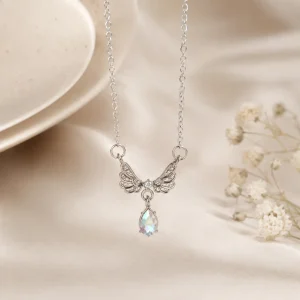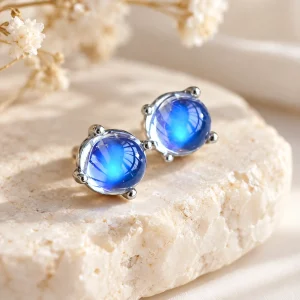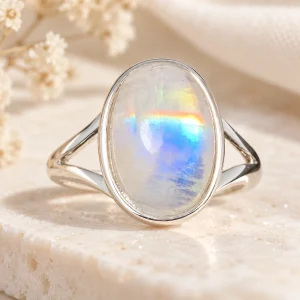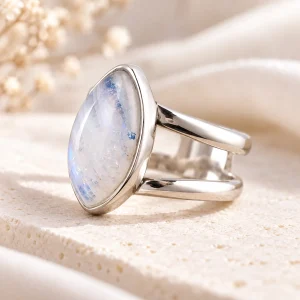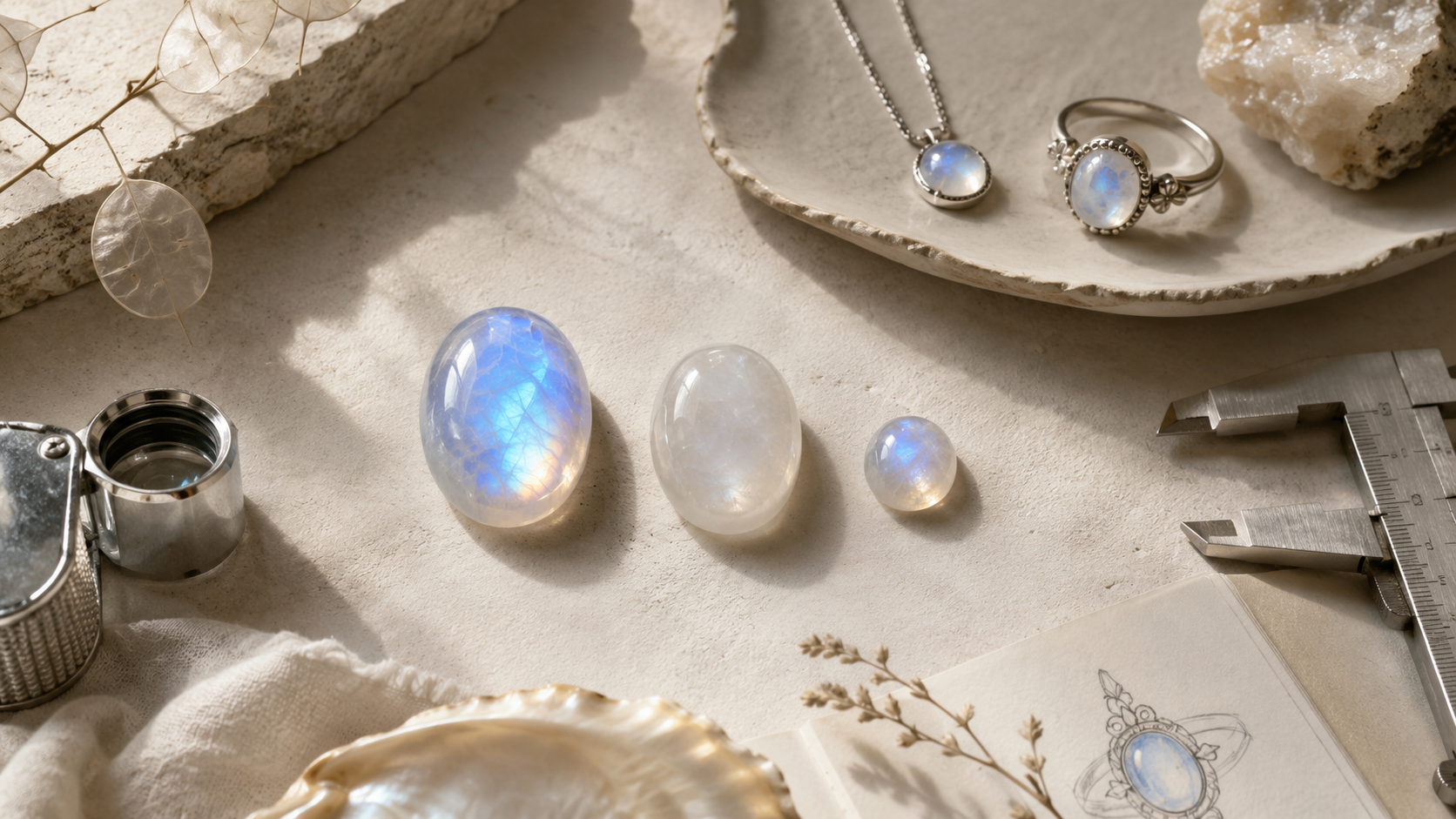
Moonstone Price: What Makes It Valuable
$2 to $500 a carat. That's the widest spread in mainstream gemology for a single species, and it isn't explained by size. Here are the six factors that set the price, the ranges by variety, and why a fine blue from Sri Lanka costs a hundred times an average Indian peach.
I give actual numbers, which is rare on this subject, and I say where they come from: on one hand the rough and cabochon market as I work it, on the other what I see passing through my two suppliers. These aren't official ratings, this stone has none, and I say that too.
The essentials, if you're in a hurry
- $2 to $500 a carat depending on variety and quality. A ratio of more than two hundred between the extremes.
- The blue sheen decides everything. On its own, it explains most of the price gap.
- Transparency is the second lever. A colorless, transparent body with a frank blue sheen is the rare combination.
- Sri Lanka is worth a premium of a third to a half, and it isn't snobbery: it's a probability of quality.
- Price per carat isn't linear. A 10-carat stone is worth far more than twice a 5-carat one.
- In a piece of jewelry, the stone is rarely the main cost at entry and mid-range. Metal and labor weigh more.
- It isn't an investment. No resale market, no official rating, no liquidity.
The ranges by variety
Let's start with the numbers, since that's what you came for. These are per-carat prices for commercial-quality cabochons, unset.
| Variety | What sets it apart | Price per carat |
|---|---|---|
| Blue | Deep blue sheen, transparent body | $55 to $550 |
| White | Diffuse bluish haze, milky body | $5 to $45 |
| Rainbow | Labradorite, multicolored flashes | $3 to $28 |
| Black | Labradorite, flashes on a dark ground | $3 to $28 |
| Gray | Silvery to bluish sheen | $3 to $22 |
| Peach | Silvery sheen, sometimes golden | $2 to $17 |
| Pink | Soft silvery sheen | $2 to $17 |
| Orange | Warm silvery sheen | $2 to $13 |
Look at the first row and the last. A fine blue can be worth more than two hundred times an average-quality orange, at equal weight, for the same mineral species. Not many gems show an internal gap that wide.
Two notes on this table. The ranges are wide within each row, and that's normal: quality varies enormously within a single variety. And rainbow and black moonstone are labradorites, not adularia, which partly explains their more modest price. The detail is in moonstone or labradorite.
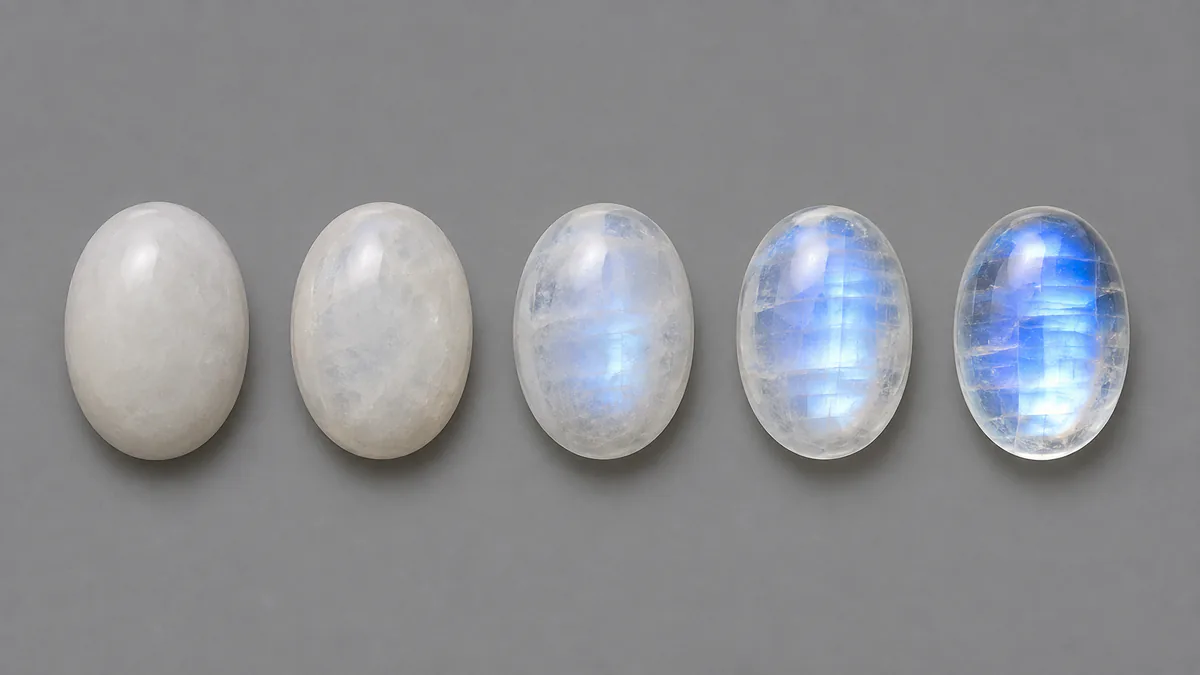
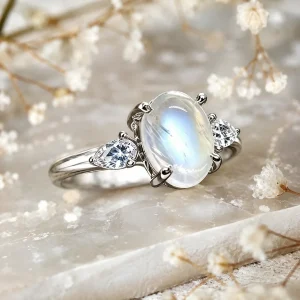
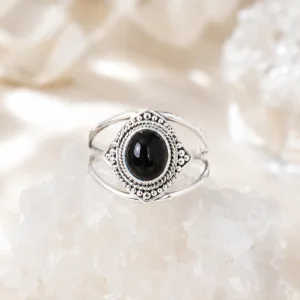
A blue, a white, a rainbow, a black one
The six factors that set the price
In order of their real weight on the final price, which isn't the order they're usually presented in.
- The color of the sheen. Deep blue at the top, silvery or white at the bottom. This is factor number one, by far.
- The transparency of the body. A colorless, clear body is worth far more than a milky or cloudy one.
- The centering and extent of the sheen. A sheen centered on the dome that covers its whole surface is worth several times an off-center or partial one.
- Clarity. Few inclusions visible to the naked eye, no open crack.
- Weight. And in a non-linear way, more on that below.
- Origin. Real but overrated, and often unverifiable.
A jeweler's six criteria, broken down one by one with how to judge them by eye, are in judging moonstone quality. This article translates those criteria into dollars.
The blue sheen, which weighs the most
If you were to understand only one factor, this would be it.
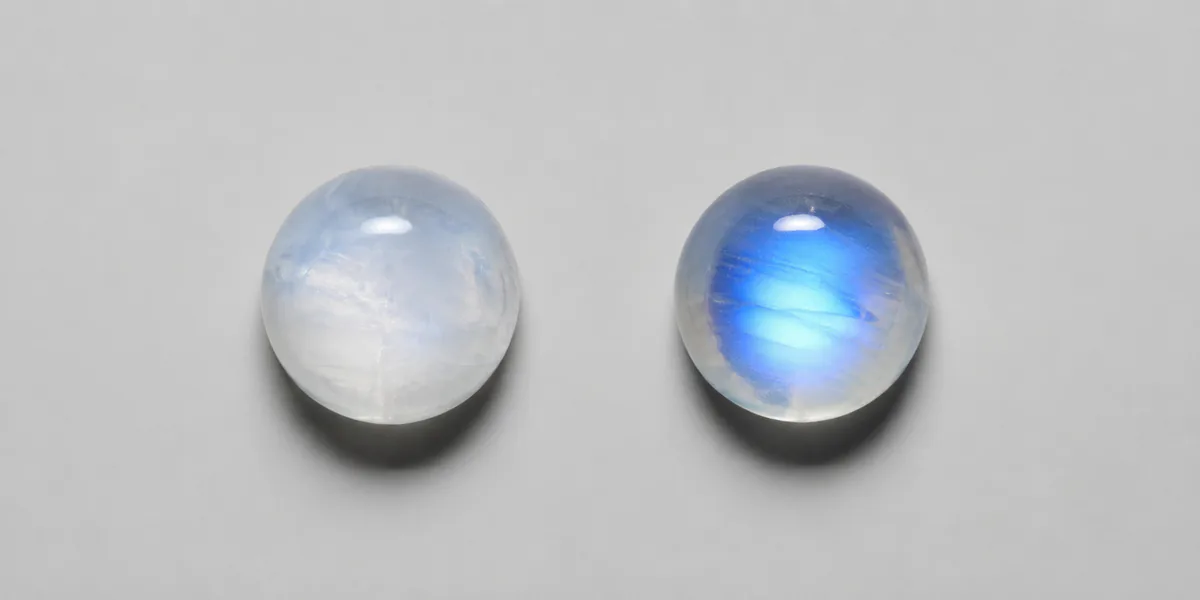
On moonstone, the sheen can range from silvery white to electric blue. The more it leans toward a frank, deep blue, the more expensive the stone, and the jump is steep: between a decent milky white sheen and a beautifully intense blue, there's easily a factor of ten, all else being equal.
The reason is physical and worth knowing, because it explains the rarity. The sheen comes from microscopic layers of orthoclase and albite inside the crystal. When their thickness approaches the wavelength of blue light, a few hundred nanometers, the short wavelengths scatter the most, and the sheen turns blue. The thicker or more irregular the layers, the more the sheen turns to a diffuse white. The full mechanism is in adularescence.
In other words: blue isn't a color you add, it's a regularity you can't obtain on demand. That's why it costs.
Transparency, the second lever
This is the factor buyers underestimate the most, and the one that sets a fine stone apart from a decent one.
The body of the stone, independent of its sheen, can range from perfectly transparent and colorless to opaque milky white. The clearer it is, the more expensive the stone.
What makes the combination rare is that it's almost contradictory. Transparency and sheen intensity don't naturally go together: a very milky body scatters a lot of light, which gives a well-visible sheen but a cloudy body. A clear body lets light through, which gives depth but often a more discreet sheen.
A stone that has both, a body as transparent as water and a frank blue sheen floating inside it, is the top of the range. That's what the official Sri Lankan grading calls a crystal blue, and it's rare.
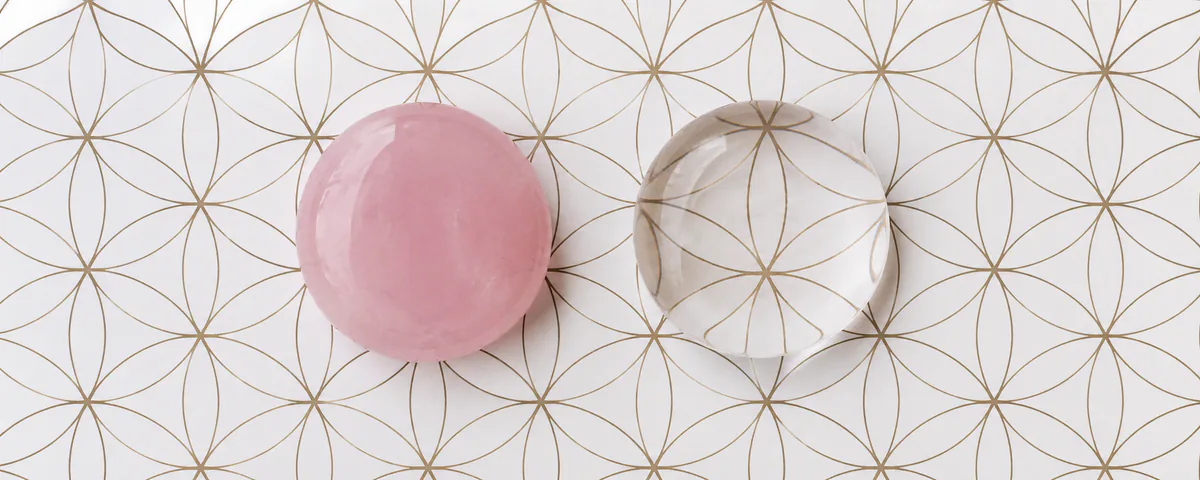
On the other end, the trade has a word for stones with a dull, grayish-green body: muddy. You'll never see it on a label, but it structures prices, and I talk about it in moonstone deposits.
Origin, and what it's really worth
A touchy section, because it's where the most stories get told.
The fact. A fine Sri Lankan blue commonly sells for a third to a half more than a comparable stone from elsewhere, and the gap widens as the Meetiyagoda deposit becomes scarcer.
The reason, and it's an honest one. It isn't nationality you're paying for, it's a probability. A deposit's formation conditions decide how fine and regular the layers are, and so the proportion of fine stones it produces. Meetiyagoda produces more of them, year after year. That's worth paying for.
The limit, and it's a serious one. The origin of a thirty-dollar cabochon is almost always unverifiable. About 80% of colored stones come from informal artisanal mines, lots get mixed at every stage of the trade, and lab-based origin determination only exists routinely for ruby, sapphire, and emerald. The subject is developed in moonstone deposits.
Practical takeaway: don't pay an origin premium on a small stone. Judge the sheen and the transparency, which are right in front of you. A seller who certifies you a specific mine on a cheap cabochon is telling you a story, and the fine stone they're selling you can very well be fine without it.
Weight, and why price per carat climbs
A technical point few buyers know, and it explains some baffling gaps.
The price per carat isn't constant: it rises with weight. A 10-carat stone isn't worth twice a 5-carat stone of the same quality, it's often worth three or four times as much. This is true for most gems, and especially here.
The reason is twofold. First, large clean stones are rare: the bigger the volume, the higher the chance of running into a crack or an inclusion. Second, on a feldspar with cleavage, cutting large is risky: the lapidary loses stones, and that risk is baked into the price.
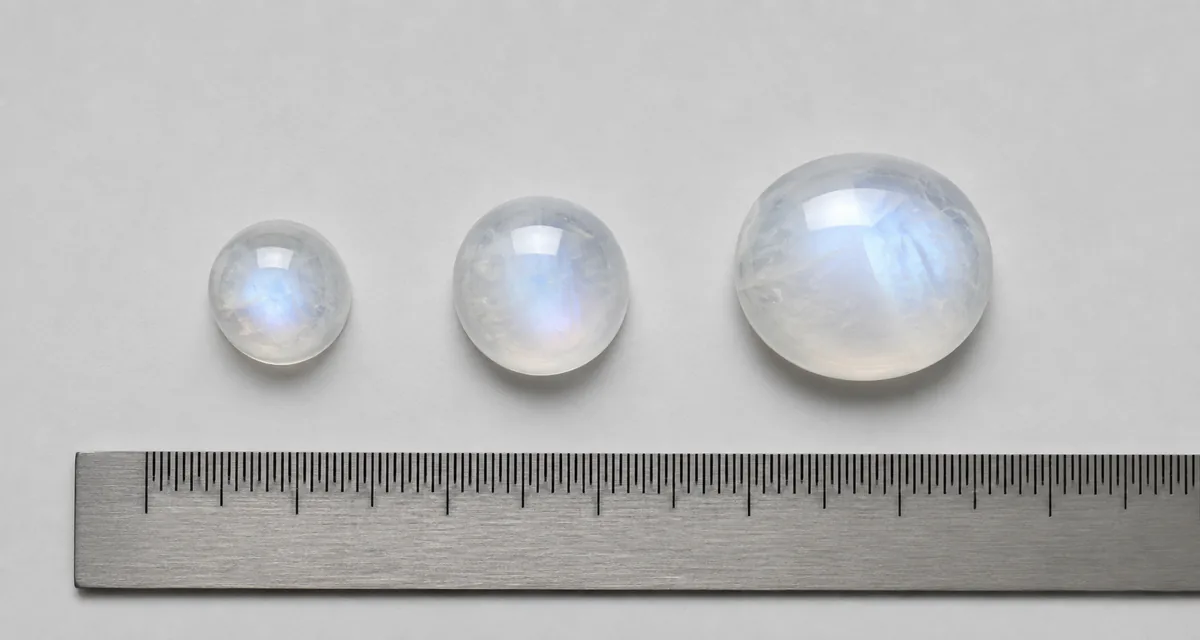
The upshot for the buyer, and it's a pleasant one: small stones are the best value. A fine-quality 4- or 5-carat cabochon costs a fraction of the per-carat price of a 15-carat one, and it does the job perfectly well on a ring. Two modestly sized rings with a beautiful sheen beat one big mediocre stone.
From carat to jewelry: where the money goes
Here's what every article about gemstone prices is missing, and yet it's what you're actually buying.
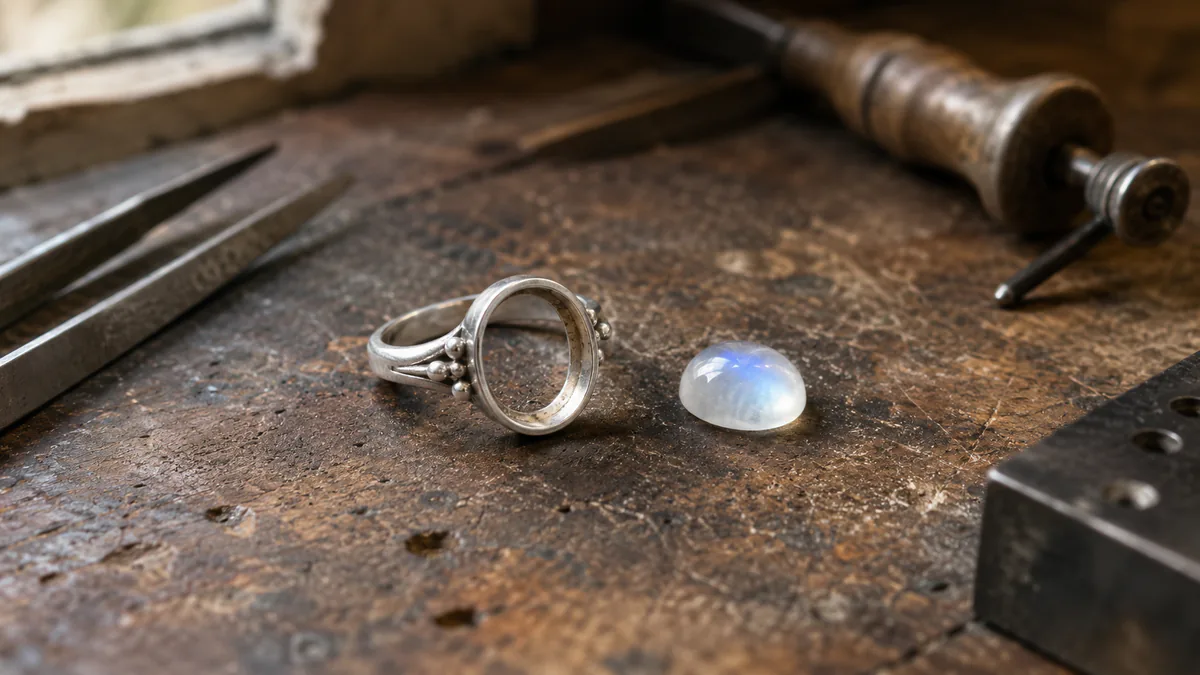
When you pay for a moonstone ring, you're paying for four things, and the stone isn't always the main one.
The stone. On an entry- or mid-range ring, with a decent 5- to 8-carat white cabochon, a few dollars to a few dozen dollars.
The metal. Sterling silver is priced by weight, and the market rate fluctuates. A heavy setting weighs more, a thin band much less. Gold plating adds a step, rhodium-plated white gold another.
The labor. Setting, especially in a closed bezel, takes time and care on a stone with cleavage. It's the line item nobody sees and that explains why a ring doesn't drop below a certain floor.
The rest. Packaging, shipping, the possible fourteen-day return, and the margin without which the workshop closes.
The consequence is counterintuitive. On an entry-level piece, swapping a decent cabochon for a mediocre one saves two or three dollars on the final price. That's why I don't do it: the saving is trivial and the difference is visible every day.
At the other end, on a fine-quality blue stone, it's the opposite: the stone becomes the dominant cost, and the setting is only a fraction of the price.
Prices that are too low, and what they hide
The simplest test of all, and it will save you more disappointment than the previous five factors combined.
A "genuine moonstone" pendant for seven dollars doesn't contain any. It isn't a good deal, it's arithmetic: at that price, once metal, shipping, and margin are counted, there's nothing left for the stone.
The three scenarios, in order of frequency.
It isn't a stone. Opalite, glass, is counterfeit number one. It's exposed by backlight, and it has its own article: moonstone or opalite.
It's a stone, but not that one. A coated quartz, a dyed agate, or a labradorite sold as adularia. The six tests to sort it out are in how to tell if moonstone is real.
It really is moonstone, of very poor quality. Dull, opaque, no moving sheen, often cracked. This case is the most honest of the three, and the most disappointing to live with: the stone is real and it does nothing.
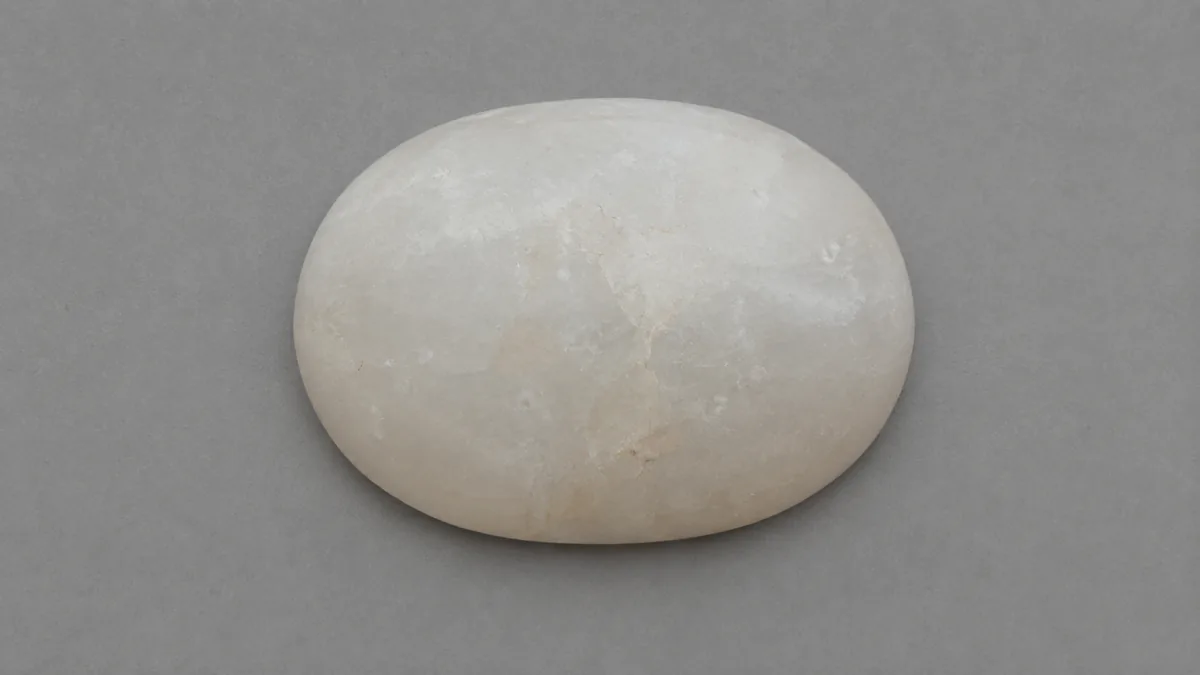
And the reverse, which needs saying too: a high price guarantees nothing. I've been sent photos of opalite sold for ninety dollars. A low price is a reliable signal, a high price isn't a certificate.
The workshop's rings, from the simplest to the most elaborate




Is it worth seeing as an investment?
I get asked this, and the answer is short.
No. Moonstone isn't an investment, for three combined reasons.
There's no official rating. Unlike diamond, ruby, or sapphire, this stone has no published reference price grid. The ranges in this article are market observations, not a rating.
There's no resale market. No auction house deals in common moonstone, no buyback network exists. A resold stone will fetch a fraction of its purchase price, like any secondhand piece of jewelry.
There's no certification. Without lab appraisal, which doesn't exist routinely for this gem, a buyer can't verify what they're buying secondhand. That kills liquidity.
What I tell anyone who asks me this: buy a stone because you like it and you're going to wear it. It's the only reason that holds up, and it's already the best one. On choosing a seller, there's where to buy moonstone jewelry.
Frequently asked questions
What is the price of moonstone?
$2 to $500 a carat depending on variety and quality. A decent white one runs $5 to $45, a fine blue one $55 to $550. The gap comes first from the color of the sheen, then from the transparency of the body.
Why is blue moonstone so expensive?
Because its sheen comes from internal layers whose thickness has to approach the wavelength of blue light. That's a regularity of formation you can't obtain on demand, so a rarity. All else equal, there's easily a factor of ten versus a white sheen.
Does origin change the price?
Yes, a fine Sri Lankan blue sells for a third to a half more. But it's a probability of quality you're paying for, not a nationality, and the origin of a small cabochon is almost always unverifiable. Judge the sheen, which is right in front of you.
Does a large stone cost proportionally more?
Yes. Price per carat rises with weight, because large clean stones are rare and cutting large on a feldspar with cleavage is risky. Small stones are therefore the best value for money.
How much does a moonstone ring cost?
It mostly depends on the metal and the labor, not the stone, at common price points. A sterling silver setting in a closed bezel makes up most of the cost. It's the reverse past a certain stone quality level.
Can a seven-dollar pendant be genuine?
No. At that price, once metal, shipping, and margin are counted, there's nothing left for the stone. It's opalite, a coated quartz, or a moonstone of such low quality it has no sheen left.
Does a high price guarantee quality?
No. I've seen opalite sold for ninety dollars. A low price is a reliable warning sign, a high price isn't a certificate. Run the tests rather than trusting the amount.
Is moonstone a good investment?
No. No published rating, no organized resale market, no routine certification. Buy one because you like it and you're going to wear it, that's the only reason that holds up.
Why is rainbow moonstone cheaper than blue?
Because it's labradorite, a different species, more abundant and produced in large quantity in India and Madagascar. It isn't a quality flaw, it's a difference in rarity and material.
How do you judge whether the asking price is fair?
First compare the sheen and transparency against the ranges on this page, then verify authenticity with the six tests. And ask the seller for the exact mineral species: the answer, or the lack of one, will tell you the rest.
Where to go from here
- Judging before buying: the six quality criteria, telling a genuine stone apart, opalite, treated stones.
- What explains the gaps: adularescence, colors and varieties, the deposits, the Sri Lanka deposit.
- Choosing the piece: where to buy, closed bezel or prongs, is it fragile.
- The full picture: the complete moonstone guide.
The jewelry is in the shop, with the mineral species on every listing. If a price you saw elsewhere seems strange, either way, send me the link: I'll tell you honestly what I think, including when it's a good deal and it's not from me.
My sources
For the blue sheen mechanism and its rarity: the GIA and Mindat for orthoclase-albite exsolution and the relationship between layer thickness and scattered wavelength, developed in adularescence.
For the grading by transparency and sheen intensity, the official grading of the Sri Lanka Export Development Board, which distinguishes blue, semi-blue, and white stones, and reserves the top tier for transparent stones with a frank blue sheen.
For the share of artisanal mining and the practical impossibility of certifying origin on a small stone, the work of the IGF and Pact on artisanal mining, covered again in moonstone deposits.
The most important limitation of this page, and I'll say it plainly. The price ranges are not an official rating: this stone has none, unlike diamond. These are rough figures observed on the cabochon market and checked against my two suppliers. They vary by season, volume purchased, and who you're dealing with, and a twofold gap on the same quality wouldn't be unusual. I give them because giving nothing would be worse, not because they're authoritative.
A second limitation: the notes on cost breakdown within a piece of jewelry come from my own workshop bookkeeping. They describe my pricing structure, not the market's.
Last updated: August 19, 2026. If you spot an error in this article, let me know: I'll fix it and note it.
✦ À porter, à offrir
Découvrez mes créations